December 12, 2025
Understanding the vital role a fire suppression system plays in protecting life and property is essential in today’s world. Fires can spread rapidly, causing devastating loss of life, structural damage, and destruction of valuable assets. Investing in a high-quality system ensures rapid detection and mitigation of fire risks, offering safety for families, employees, and building occupants. From residential homes to industrial facilities, fire suppression systems provide comprehensive protection that traditional methods alone cannot match. The integration of these systems into building safety plans represents not only a technological upgrade but a proactive approach to safeguarding lives and property.
Modern fire suppression systems are more than simple sprinklers or extinguishers—they represent coordinated networks of detection and suppression components designed to act immediately when danger arises. By addressing risks at the earliest possible stage, these systems limit damage, protect human health, and maintain structural integrity. According to the National Fire Protection Association, a 2025 report reveals that sprinklers operated in 92% of large structure fires and 95% of home fires where they were present, underscoring their proven effectiveness. This demonstrates that proper installation and maintenance of a fire suppression system can make the difference between minimal damage and catastrophic loss.
Understand Your Fire Suppression System
A fire suppression system integrates detection, alarm, and extinguishing components into a coordinated network. Detectors sense heat, smoke, or flames, while alarms alert occupants to evacuate. Suppression agents, including water, foam, gas, or other chemicals, are then deployed automatically to control or extinguish the fire. These systems are tailored to their environment—residential homes, commercial spaces, industrial facilities, and data centers all require different suppression strategies. The careful combination of technology and planning ensures that fires are detected and controlled before they escalate.
Identify the Types of Fire Suppression Systems
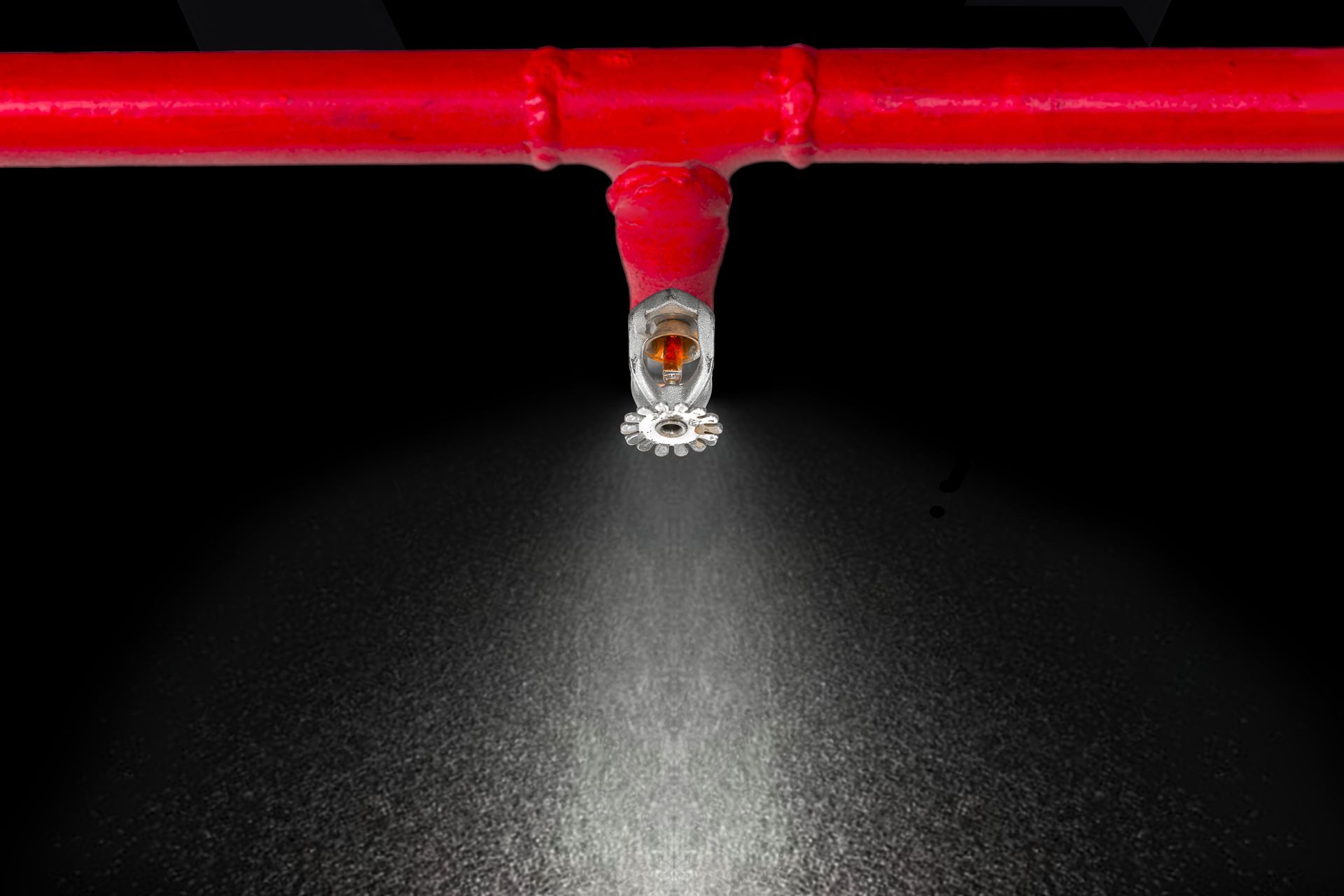
Fire suppression systems are not one-size-fits-all. Water-based sprinklers are common and effective in most residential and commercial scenarios, while foam-based systems are ideal for flammable liquids and industrial risks. Gas-based or clean agent systems are used in settings like server rooms or museums, where water could damage sensitive materials. Pneumatic heat detection tubes provide targeted suppression in confined or specialized spaces. Each type addresses distinct risks, making proper assessment and system selection critical to effective fire protection.
Explain How Fire Suppression Systems Work
The operation of a fire suppression system begins with detection. Sensors respond to heat, smoke, or flame, triggering an alarm and activating suppression agents. Automatic activation ensures immediate action, even when no one is present, providing round-the-clock protection. Early intervention not only reduces property damage but also significantly improves occupant survival rates. This proactive approach outperforms traditional manual systems like portable fire extinguishers, which depend on human presence and quick reaction. As the NFPA report highlights, sprinklers and other automated systems are highly effective at controlling fires across homes and commercial buildings.
Install Fire Suppression Systems Professionally
The installation of a fire suppression system starts with a detailed assessment of a building’s layout, occupancy, and fire hazards. Experts determine the appropriate system type, location of detectors, sprinkler placement, and suppression agent selection. Installation requires skilled technicians to integrate pipes, control panels, and activation mechanisms seamlessly. Professional setup ensures compliance with local regulations, maximizes system efficiency, and guarantees reliable performance during emergencies. Post-installation testing and routine checks maintain functionality, ensuring that the system performs optimally when required.
Detect Fires Immediately
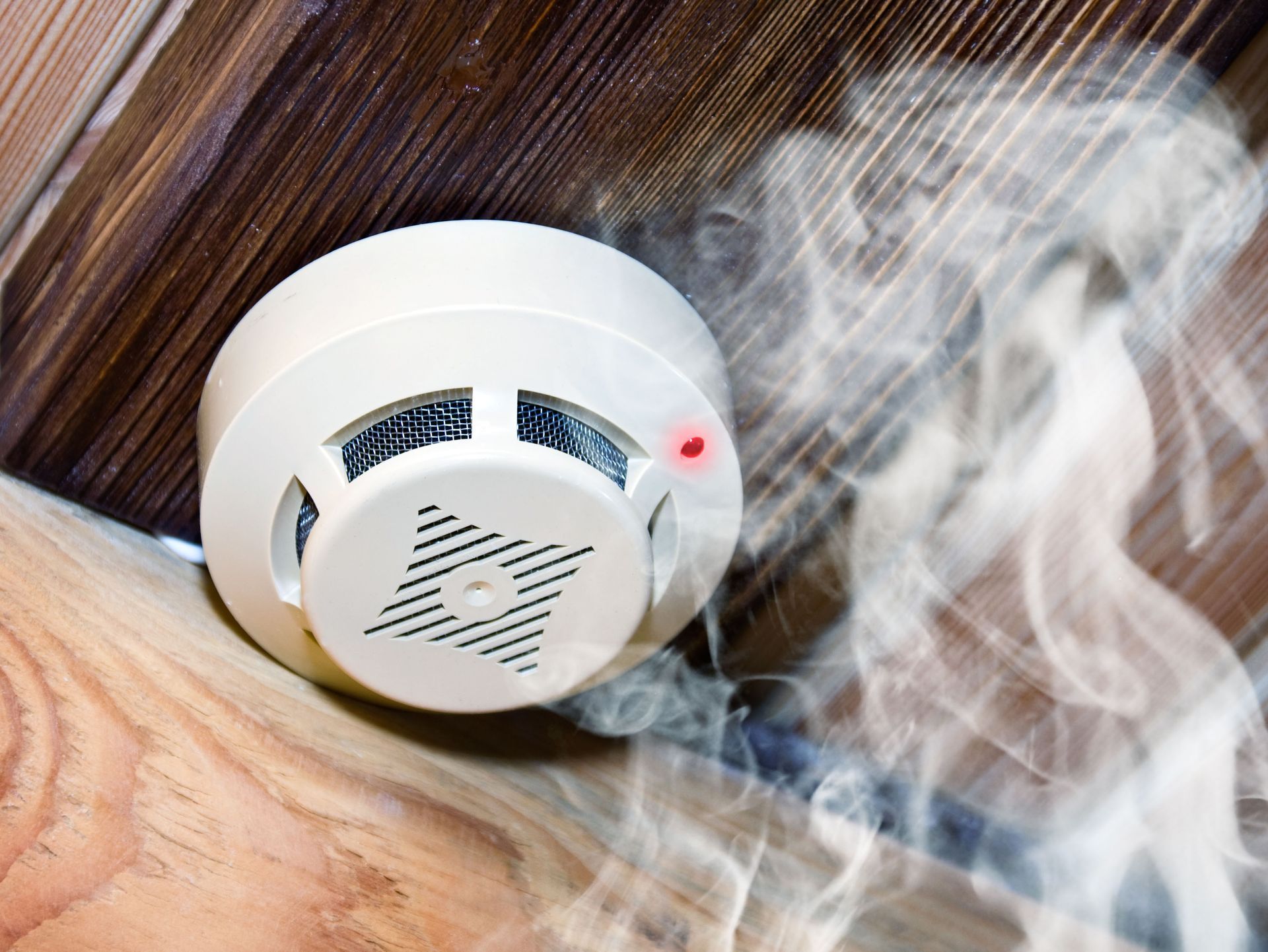
One of the core advantages of modern fire suppression systems is the ability to detect fires in their earliest stages. Advanced sensors identify heat, smoke, or chemical emissions faster than conventional alarms, allowing for rapid intervention. Early detection minimizes property damage, reduces risk to occupants, and can even prevent total loss of the structure. In high-risk environments like hospitals, schools, or industrial facilities, seconds matter, and early detection provided by a fire suppression system saves lives and resources.
Activate Suppression Automatically
Automatic activation is a defining feature of modern fire suppression systems. When a fire is detected, suppression agents are deployed immediately, whether water, foam, or gas. This is especially vital during off-hours or in areas where human response might be delayed. Automatic systems minimize human error, maintain consistent fire protection, and allow safe evacuation. By instantly addressing flames, a fire suppression system reduces fire spread and increases the chances of preventing serious injury or death.
Reduce Smoke and Toxic Gas Exposure
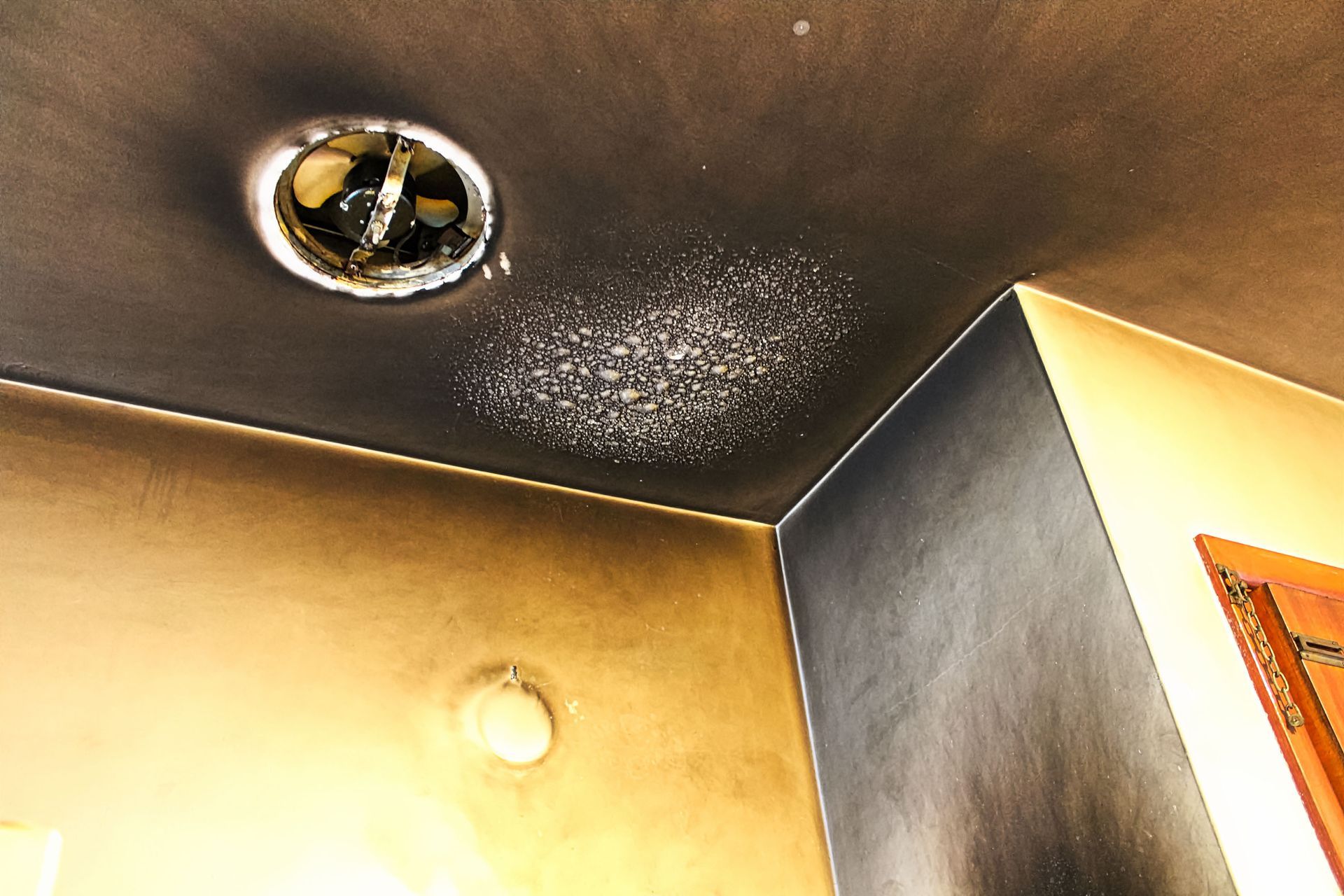
Smoke and toxic gases are often more dangerous than flames themselves, causing the majority of fire-related fatalities. Fire suppression systems help mitigate this hazard by controlling combustion and suppressing smoke generation. Gas-based or clean agent systems are particularly effective at minimizing toxic exposure, preserving breathable air for occupants and emergency responders. By controlling smoke levels, these systems facilitate safer evacuations, improve rescue operations, and prevent respiratory injuries during fires.
Minimize Property Damage
Rapid fire suppression protects property and valuable assets. Whether in a commercial building or residential home, minimizing the spread of flames and smoke reduces repair costs and downtime. Clean agent and foam-based systems protect sensitive electronics and industrial equipment without water damage, while sprinkler systems safeguard general infrastructure. Investing in a robust fire suppression system ensures that damage is limited, preserving financial and operational stability.
Enhance Occupant Safety
Fire suppression systems significantly enhance occupant safety by providing early warnings, reducing fire intensity, and facilitating orderly evacuation. The presence of these systems allows for better emergency management and reduced panic. Automated systems can be strategically designed to cover multiple exit points, ensuring that people can evacuate safely and efficiently. By protecting life and reducing injury risk, fire suppression systems provide a measurable improvement in overall building safety.
Select the Right Fire Suppression System
Choosing the appropriate system requires evaluating the environment, potential fire hazards, and regulatory requirements. High-risk areas, such as data centers or chemical plants, may require clean agents or foam systems, whereas standard residential properties often benefit from sprinkler systems. Budget, maintenance, and scalability considerations also play a role in system selection. Consulting with experts ensures the chosen system meets safety standards, legal obligations, and future-proofing requirements for evolving fire risks.
Maintain and Test Your Fire Suppression System
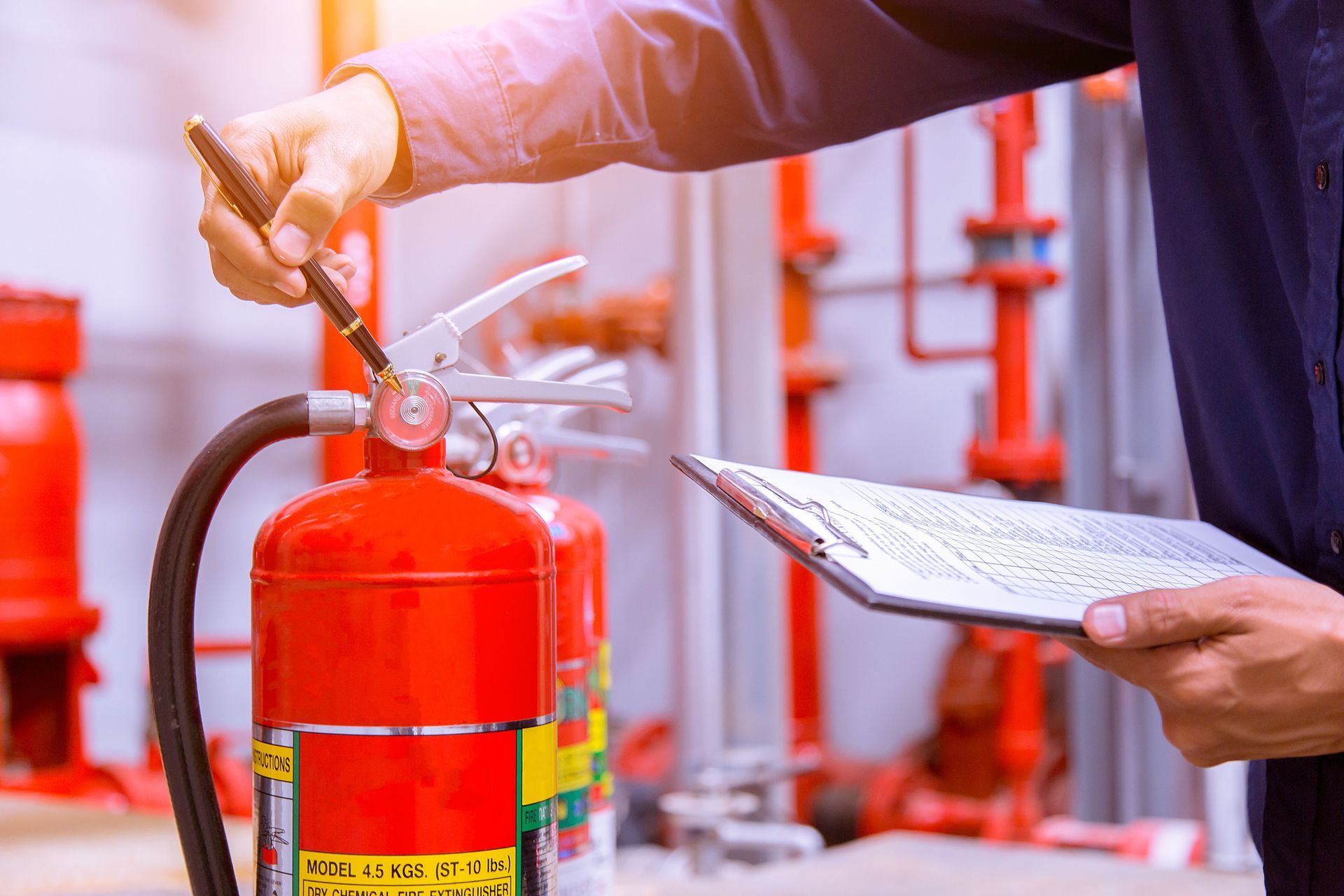
Regular maintenance and testing are crucial for long-term reliability. Inspections include checking sensors, control panels, suppression agents, and mechanical components to ensure proper function. Routine drills prepare occupants and personnel for emergencies, improving response times and familiarity with the system. Updating components as technology evolves ensures ongoing compliance with safety regulations and maximizes the system’s effectiveness. Recognizing early warning signs of malfunctions allows for timely corrective measures, maintaining the integrity of the fire suppression system over its lifespan.
Learn from Real-Life Successes
Residential, commercial, and industrial case studies demonstrate the effectiveness of fire suppression systems. Sprinkler systems have prevented extensive damage and allowed safe evacuation in homes, while commercial and industrial applications protect lives and assets in complex environments. Hospitals, hotels, and data centers frequently rely on specialized systems to prevent catastrophic loss. Learning from both successes and failures helps optimize future implementations, ensuring that systems are properly installed, maintained, and tailored to specific risk environments.
A properly installed and maintained fire suppression system is more than a regulatory requirement—it is a critical investment in life safety, property protection, and peace of mind. By detecting fires quickly, reducing smoke and toxic gases, minimizing property damage, and ensuring occupant safety, these systems provide a reliable and proactive approach to fire risk management. Whether in homes, schools, hospitals, or commercial facilities, investing in a high-quality system significantly increases the likelihood of preventing injury, saving lives, and reducing financial loss.
Protect your property and your loved ones today by consulting with professionals who specialize in fire safety. Contact Madison Extinguisher Service and Safety to schedule an evaluation, installation, or maintenance of your
fire suppression system. Take action now to ensure your home or business has the protection it deserves—because in the event of a fire, every second matters.