August 13, 2026
Every commercial facility depends on a complex network of safety devices to keep people and property secure around the clock. Over time, building usage changes, technology advances, and equipment naturally experiences wear and tear. When an older setup starts showing signs of age, relying on it can lead to unexpected outages, unnecessary false alarms, or compliance issues. Upgrading your commercial fire alarm infrastructure ensures that your building remains fully compliant with local codes while providing reliable, round-the-clock protection. Evaluating your current setup today helps avoid critical gaps in emergency readiness tomorrow, keeping your operations running smoothly without costly interruptions.
Frequent False Alarms and Interrupting Operations
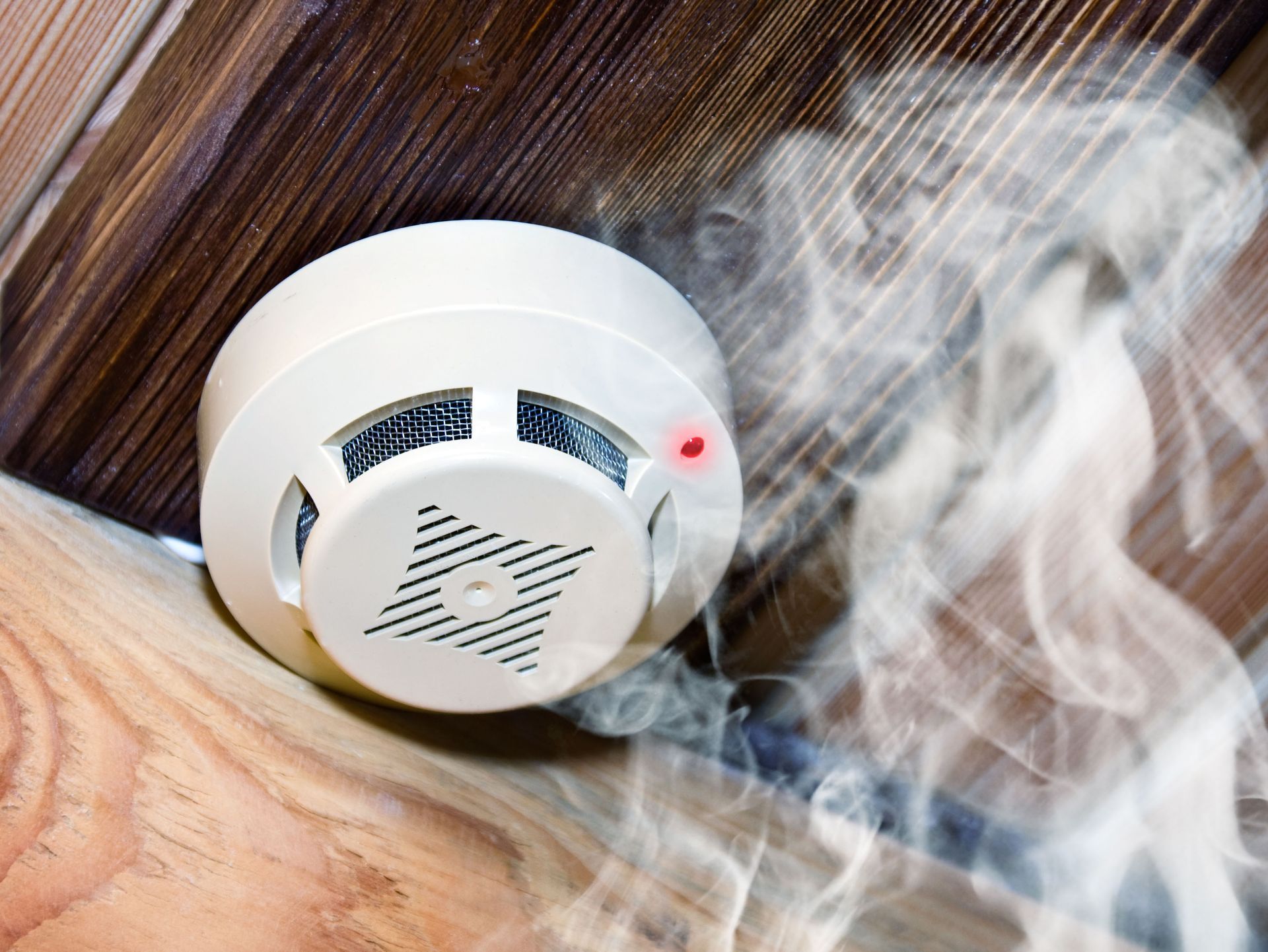
Repeated false alarms do more than just disrupt daily productivity; they create severe safety risks by causing occupants to desensitize to real warning signals. When nuisance alarms happen regularly, people tend to ignore the alerts or respond far too slowly during an actual emergency. Old sensors often become overly sensitive to routine ambient dust, small humidity shifts, or minor temperature swings, triggering false alerts. Modern fire emergency systems utilize multi-sensor detection that accurately distinguishes between harmless environmental changes and real smoke or heat threats. By switching to updated fire emergency systems, facility directors eliminate unnecessary building evacuations and restore complete confidence in their life safety systems.
Outdated Components and Obsolete Replacement Parts
As life safety hardware ages, manufacturers eventually stop producing replacement components, circuit boards, and individual sensors. Sourcing obsolete replacement parts becomes increasingly difficult and expensive, often leading to extended system downtime while searching for compatible components. Relying on outdated hardware leaves commercial structures vulnerable whenever a minor component fails and cannot be swapped out promptly. Contemporary fire emergency systems offer readily available replacement parts, ongoing software updates, and reliable manufacturer support. Transitioning to current fire emergency systems eliminates long lead times for repairs and ensures your building hardware remains fully operational when it matters most.
Evolving Local Building and Fire Safety Codes
Building codes and municipal life safety requirements undergo regular updates to reflect new safety research and technological advancements. A system installed ten or fifteen years ago may have satisfied historical standards, but it might fall short of current commercial regulations. Non-compliance can lead to failed municipal inspections, steep fines, or sudden operational delays during routine audits. Updating your fire emergency systems aligns your physical property with modern safety mandates, including updated notification protocols and accessible features. Maintaining compliance through modern fire emergency systems protects commercial operations from legal liabilities while upholding high safety standards for all occupants.
Facility Expansion and Layout Modifications
When commercial properties expand, add new office divisions, or alter internal floor plans, original life safety layouts quickly become insufficient. Adding extra rooms, moving walls, or reconfiguring storage spaces can create dangerous blind spots where alarms cannot be heard, or smoke detectors cannot function correctly. According to the U.S. Fire Administration, residents could have less than two minutes to escape a home fire once a smoke alarm sounds, illustrating just how critical prompt detection and clear warnings are in any environment. Expanding your fire emergency systems guarantees complete floor plan coverage tailored directly to your current building architecture. Upgraded fire emergency systems allow flexible modular additions so your protective coverage effortlessly scales right alongside growing commercial footprint needs.
Integration Challenges and Modern Building Management Systems
Legacy alarm control panels often operate as isolated units, unable to communicate effectively with modern building automation systems. Modern facilities require seamless communication between life safety equipment, access control doors, security cameras, and HVAC air-handling units. Integrated setups automatically shut down ventilation fans to prevent smoke propagation and automatically unlock exit doors during emergency triggers. Upgrading to compatible fire emergency systems allows effortless integration with central building automation platforms for a unified response strategy. Advanced fire emergency systems provide real-time operational visibility, allowing facility managers to monitor overall system health from single interfaces.
Visible Wear, Corrosion, and Physical Damage
Physical deterioration of life safety equipment is a clear signal that internal components are reaching the end of their operational lifespan. Moisture exposure, chemical fumes in industrial settings, and natural age cause corrosion on wiring terminals, sensor housings, and main control panels. Corroded wiring introduces resistance fluctuations that can lead to intermittent system faults or total signal loss during critical moments. Replacing worn physical components with current fire emergency systems ensures robust physical durability and consistent electrical connectivity. Upgraded fire emergency systems are built to withstand challenging commercial environments, offering long-term resilience against environmental degradation.
Rising Maintenance Costs and Frequent System Faults
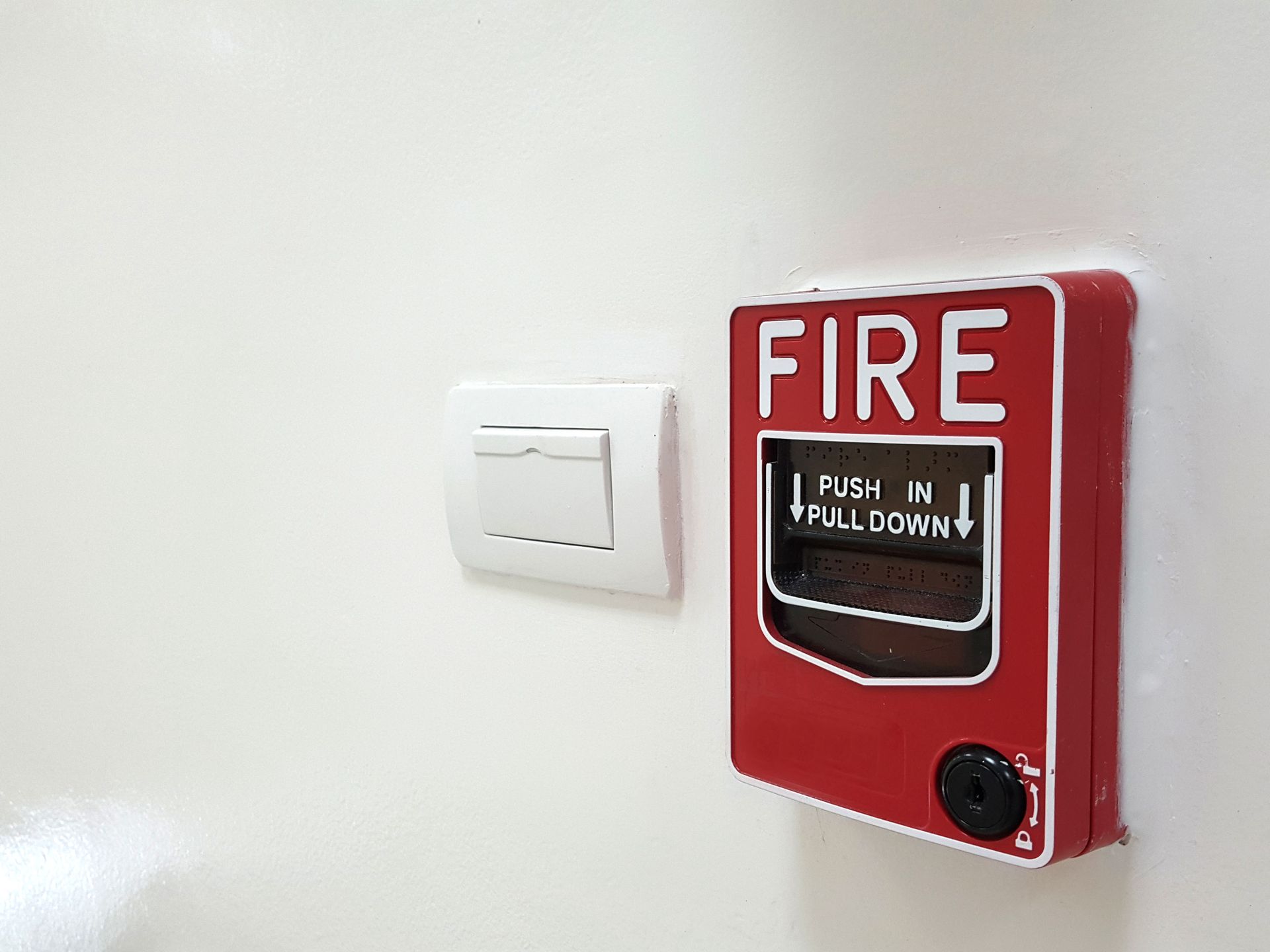
Continually repairing an aging control panel or constantly replacing failing pull stations quickly becomes a major drain on operating budgets. Frequent system trouble lights and ground faults require regular service calls that continuously add up over time. Investing those ongoing repair expenses into a comprehensive equipment upgrade offers far better financial return and long-term reliability. New fire emergency systems require less frequent maintenance intervention while operating with significantly higher energy efficiency. Moving to modern fire emergency systems establishes predictable maintenance schedules and lowers overall operational costs across the lifespan of the equipment.
Lack of Voice Evacuation and Advanced Notification Options
Older notification systems rely strictly on basic horns or bells, which can create confusion during complex emergency situations. Modern commercial safety standards emphasize voice evacuation systems that deliver clear, spoken instructions tailored to specific zones within a building. Directed voice instructions guide occupants along clear evacuation routes and prevent panic in crowded commercial venues. Modern fire emergency systems support multi-tone alerts, high-visibility visual strobes, and customizable voice message features to accommodate all building occupants. Upgrading to advanced fire emergency systems ensures your emergency communications are crystal clear and actionable during high-stress evacuations.
Transition from POTS Phone Lines and Cellular Monitoring
Traditional alarm control panels depended heavily on plain old telephone service lines to transmit signals directly to central monitoring centers. Telecommunication providers are rapidly phasing out copper landlines, making those connection channels increasingly unreliable and expensive to maintain. Modern life safety systems utilize dual-path cellular and IP communicators to send instant alarm signals without depending on legacy landlines. Upgrading your communicator channels ensures immediate signal transmission during power outages or external line disruptions. Modern monitoring connections provide fast, redundant communication paths that keep your facility connected to emergency response services at all times.
Higher Insurance Premiums and Coverage Requirements
Commercial property insurance providers routinely evaluate life safety equipment when determining policy rates and coverage terms. Operating outdated or non-compliant protective equipment can result in higher monthly premiums or conditional coverage clauses. Insurance carriers recognize that modern protective technology drastically reduces potential property damage and liability risks during emergency events. Installing state-of-the-art life safety systems can qualify your business for valuable insurance discounts and lower overall premiums. Updating your property protection hardware demonstrates proactive risk management, keeping your facility fully protected while satisfying strict insurance policy standards.
Maintaining an effective, compliant life safety system is essential for protecting building occupants, preserving valuable commercial assets, and ensuring business continuity. Recognizing the early signs of system aging—such as frequent false alarms, obsolete hardware, changing codes, or physical wear—allows facility leaders to address vulnerabilities before failures occur. Modernizing your commercial setup delivers reliable operation, streamlined building integration, and total regulatory compliance. For complete evaluation, design, and professional installation services tailored to your building requirements, contact Madison Extinguisher Service and Safety to upgrade your facility protection today.