July 13, 2026
Protecting a commercial property or residential building from fire hazards requires more than a few extinguishers mounted on the wall. Effective fire prevention involves inspections, equipment maintenance, code compliance, emergency planning, and ongoing monitoring. Professional fire protection services help property owners reduce risks while ensuring that buildings remain prepared for emergencies and compliant with safety regulations.
Businesses across industries rely on trained fire safety professionals to identify vulnerabilities before they become dangerous problems. Whether managing an office building, warehouse, restaurant, healthcare facility, or apartment complex, understanding what these providers offer can help property owners make informed decisions. Choosing the right partner means gaining support that extends far beyond emergency response alone.
Inspections That Identify Potential Hazards
One of the primary responsibilities of fire safety providers is conducting thorough inspections. These evaluations are designed to uncover hazards that could increase the likelihood of a fire or interfere with emergency response efforts. During inspections, technicians assess alarms, extinguishers, sprinkler systems, exit signage, electrical risks, and other critical components of a building’s safety infrastructure.
Routine inspections help property owners stay compliant with local and national fire codes. In many industries, failing to meet fire safety regulations can lead to fines, operational shutdowns, or increased liability exposure. Professional fire protection services provide detailed documentation after inspections, making it easier for businesses to demonstrate compliance during audits or insurance reviews.
Inspections also help organizations prepare for changing conditions within their facilities. Renovations, new equipment, occupancy increases, or updated building layouts can create new fire risks that must be addressed. Safety professionals evaluate these evolving conditions and recommend adjustments that keep protection systems effective and up to date.
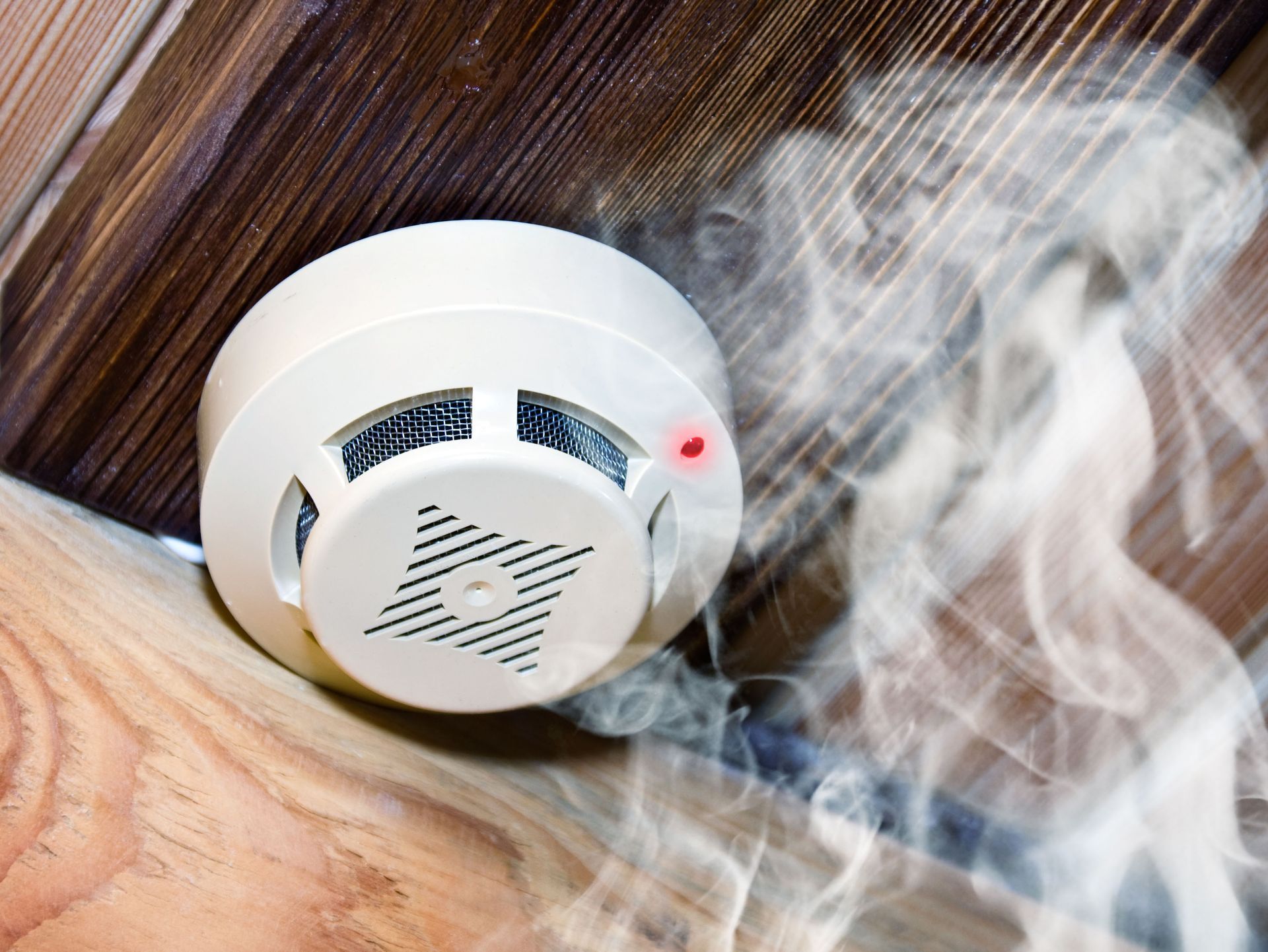
Another important aspect of inspections is verifying the age and condition of smoke alarms and related equipment. According to the U.S. Fire Administration, smoke alarms should be replaced once they reach 10 years old because aging units may become less reliable over time. Regular evaluations ensure that outdated devices are identified before they fail during an emergency.
Maintenance That Keeps Equipment Operational
Fire safety systems only work properly when they receive consistent maintenance from fire protection services. Alarms, sprinklers, extinguishers, emergency lighting, and suppression systems can deteriorate due to environmental exposure, corrosion, accidental damage, or normal wear. Maintenance programs help ensure these systems remain operational when they are needed most.
Professional technicians perform testing and servicing according to manufacturer specifications and applicable codes. This includes checking sprinkler pressure, replacing damaged components, recharging extinguishers, testing alarm functionality, and verifying communication systems. Businesses that invest in preventative maintenance often avoid costly emergency repairs and minimize downtime caused by failed inspections.
In addition to improving safety, maintenance services help extend the lifespan of fire protection equipment. Replacing major systems can become expensive, especially for larger facilities with complex infrastructure. Proper servicing allows businesses to maximize the value of their investments while maintaining dependable protection for employees, customers, and property.
Many providers of fire protection services also maintain detailed maintenance records for clients. These records help businesses track inspection schedules, equipment replacements, and testing dates. Having organized documentation simplifies regulatory compliance and provides peace of mind that safety obligations are being handled consistently.
Training That Prepares Occupants for Emergencies
Even the best fire safety systems are only part of an effective protection strategy. Occupants must also know how to respond during emergencies. Fire safety training helps employees, residents, and building occupants understand evacuation procedures, extinguisher operation, and emergency communication protocols.
Training programs often include hands-on demonstrations and scenario-based exercises. Participants learn how to identify fire hazards, respond quickly to alarms, and assist others during evacuations. These sessions can improve confidence while reducing panic during real emergencies. Organizations that conduct regular training often experience faster evacuation times and improved emergency coordination.
Emergency preparedness also involves developing evacuation plans tailored to the property’s layout and occupancy needs. Providers offering fire protection services frequently help businesses create detailed response procedures that comply with safety standards. These plans designate exit routes, assembly areas, and responsibilities for key personnel during emergencies.
Specialized facilities may require additional training considerations. Healthcare facilities, industrial sites, schools, and hospitality businesses all face unique risks that influence emergency procedures. Fire safety professionals customize training to address these industry-specific challenges while ensuring occupants understand their roles during an incident.
Training sessions from fire protection services also provide opportunities to reinforce broader workplace safety practices. Employees become more aware of blocked exits, overloaded outlets, combustible materials, and unsafe storage conditions that could contribute to fire hazards. This ongoing awareness strengthens overall safety culture within the organization.
Compliance That Supports Long-Term Safety
Fire codes and safety regulations are constantly evolving. Businesses must stay informed about local, state, and federal requirements to avoid violations and maintain safe environments. Fire safety providers help organizations navigate these changing regulations while implementing systems that align with current standards.
Compliance services may include permit assistance, documentation management, code consultations, and coordination with local fire authorities. This guidance can be especially valuable for businesses operating in heavily regulated industries or managing multiple facilities. Staying proactive reduces the risk of unexpected compliance issues that could interrupt operations.
Modern fire protection services often integrate advanced technology into compliance and monitoring programs. Digital alarm systems, remote monitoring platforms, and automated reporting tools help businesses maintain real-time awareness of their fire safety infrastructure. These systems can alert property owners to equipment malfunctions or emergencies immediately, allowing for faster response times.
Compliance support also plays an important role during construction and renovation projects. Fire safety professionals work alongside contractors, architects, and engineers to ensure new systems meet applicable codes before occupancy begins. Early involvement helps avoid costly redesigns and delays later in the process.
Insurance providers may also evaluate a property’s fire protection measures when determining coverage rates and policy requirements. Buildings with properly maintained systems, updated documentation, and comprehensive emergency plans may qualify for better insurance terms. Maintaining compliance therefore benefits not only safety efforts but also financial planning and risk management.
For property owners, partnering with experienced fire safety professionals provides a more organized and proactive approach to protection. Instead of reacting to emergencies after they occur, businesses gain structured systems designed to reduce risks before incidents happen. This preventative mindset supports safer workplaces, protects assets, and improves operational stability over time.
Fire safety is an ongoing responsibility that requires attention, planning, and professional expertise. From inspections and maintenance to training and compliance support, reliable providers help businesses create safer environments while minimizing operational risks. Investing in
fire protection services allows organizations to strengthen preparedness, maintain compliance, and protect both people and property from potentially devastating emergencies.
As fire risks continue to evolve alongside modern building systems and operational demands, businesses benefit from taking a proactive approach to safety management. Consistent inspections, reliable equipment maintenance, and ongoing employee training all contribute to a stronger emergency response strategy. By working with experienced professionals, property owners can better protect their investments while creating safer environments for employees, customers, and visitors.
At Madison Extinguisher Service and Safety, we understand how important dependable fire safety solutions are for your business or property. We work closely with our clients to provide inspections, maintenance, training, and support tailored to their specific needs. Contact us today to learn how we can help you build a safer and more compliant environment.