April 2, 2026
Fire emergency systems are critical in safeguarding lives and property. These systems are strategically designed to detect fires early, alert occupants, and support timely evacuations, significantly reducing the potential for loss. This article will explore the intricate components of fire emergency systems, their technological advancements, human factors, economic impacts, and challenges faced during implementation. By understanding these elements, we can appreciate the comprehensive role fire emergency systems play in raising safety standards globally. Ultimately, we’ll delve into future trends and their implications for continued improvements in fire safety.
Understanding Fire Emergency Systems
Definition and Components
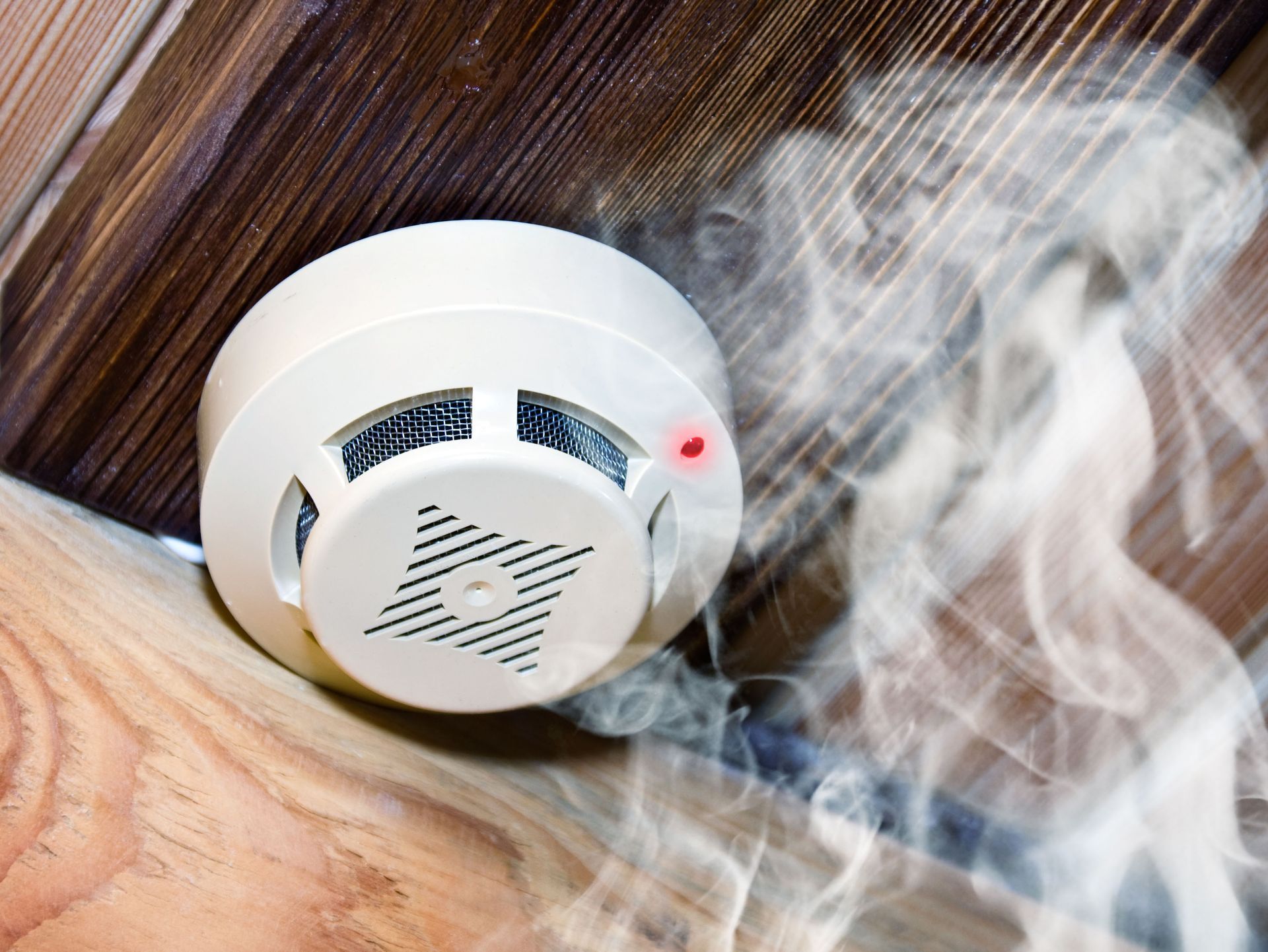
Fire emergency systems encompass a collection of technologies and mechanisms designed to detect fires early, warn building occupants, and initiate fire suppression. These systems typically include fire detection elements such as smoke and heat detectors, alarm systems, and active suppression systems like sprinklers and extinguishers. Fire sensors are vital, as they alert occupants to the presence of a fire, allowing them to evacuate swiftly. Alarm systems serve as communication links, effectively warning occupants and fire services about a fire's occurrence. Each component in fire emergency systems plays a crucial role in minimizing the risks associated with fires.
Historical Development
Historically, fire safety systems have evolved dramatically from simple tools like buckets and axes to sophisticated electronic devices. The development of modern automated systems began in the 19th century with the invention of the fire sprinkler system. This was followed by the introduction of smoke detectors in the 20th century, revolutionizing fire detection. Technological advancements have led to the integration of fire emergency systems with artificial intelligence, improving response times significantly. As these systems have evolved, they have continually enhanced human ability to detect and manage fires effectively.
Legal Standards and Regulations
Fire safety installations are governed by a series of stringent regulations and codes to support efficacy and compliance. In the United States, the National Fire Protection Association (NFPA) sets guidelines that must be followed, covering installation and maintenance standards. Compliance with these codes is crucial for legal operations and can affect insurance policies and premiums. Inspections help confirm systems are functional and meet necessary criteria, thus safeguarding occupants' lives. Regular upgrades and inspections are essential to comply with evolving standards and technological advancements tied to fire emergency systems.
Types of Fire Emergency Systems
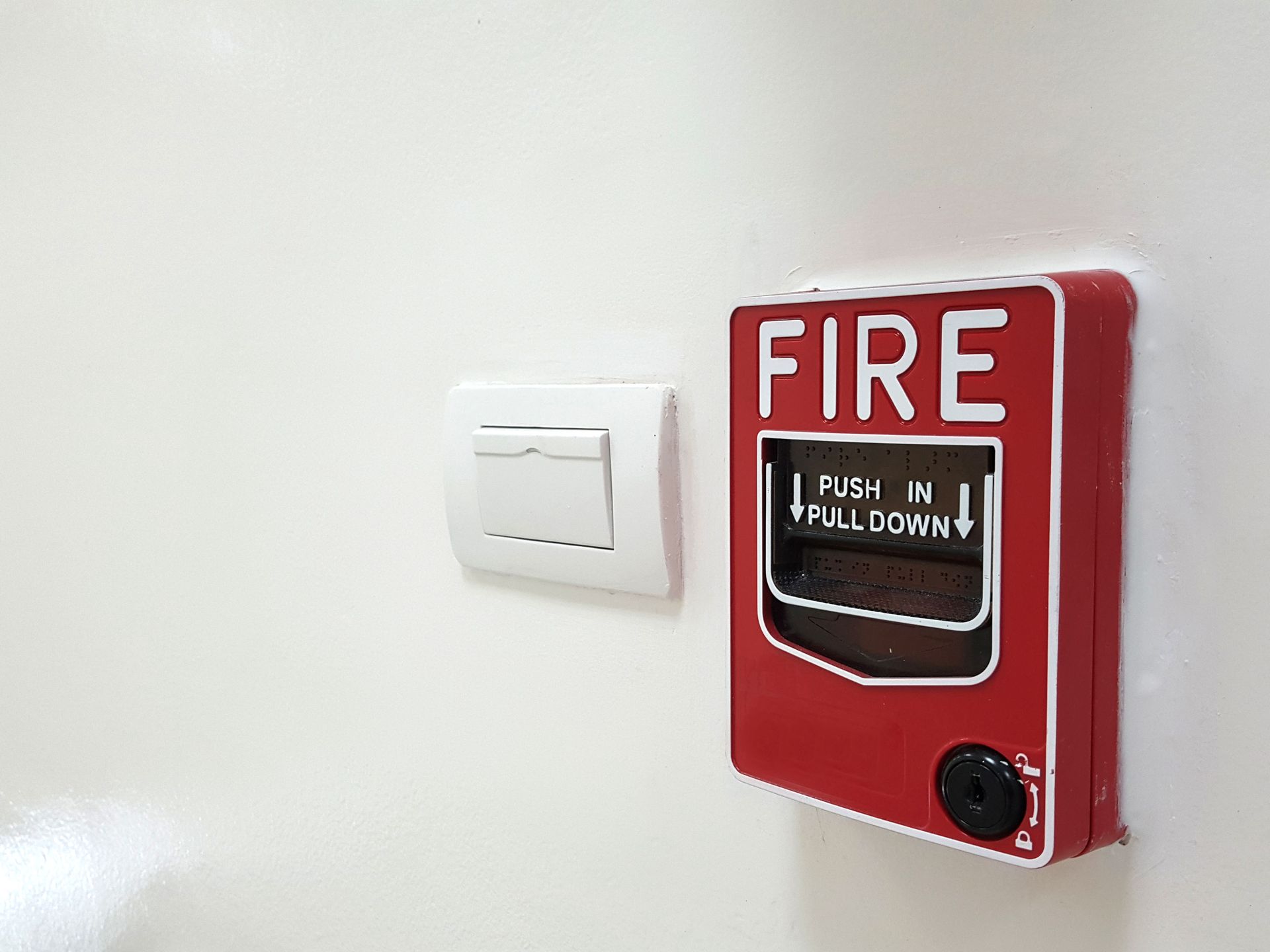
Fire emergency systems vary greatly and are classified based on their operational environment and mechanisms. Manual systems, such as fire extinguishers and manual pull stations, rely on human intervention to activate. Automatic systems, like smoke alarms and sprinkler systems, operate independently to detect and suppress fires. These systems can also be adapted for domestic use, helping homes stay better prepared for fire emergencies. On a larger scale, commercial fire emergency systems often integrate with building management systems for optimized performance and monitoring.
Key Objectives and Goals
The fundamental goal of fire emergency systems is to save lives by facilitating prompt evacuation and minimizing injuries. These systems aim to prevent or reduce property damage, thereby mitigating economic losses associated with fire incidents. By detecting fires early and activating suppression mechanisms, fire emergency systems curtail the spread of fire and smoke. Importantly, these systems also aim to improve response times by notifying emergency services promptly. Through effective implementation, they create a safer environment, reducing the overall risks associated with fire hazards.
The Role of Technology in Fire Safety
Innovations in Fire Detection
Technological advancements have significantly improved fire detection capabilities. Modern smoke and fire detectors use a combination of optical sensors and ionization technology for accurate and timely detection. Smart detectors can connect to networks, offering remote monitoring and alerts to homeowners regardless of their location. According to the U.S. Fire Administration, residents could have less than two minutes to escape a home fire once a smoke alarm sounds, emphasizing the need for rapid detection. Innovations have made it possible to customize fire emergency systems based on specific environments, enhancing overall safety.
Automated Fire Suppression Systems
Automated fire suppression systems, such as sprinklers and chemical suppressants, play a vital role in controlling fires. These systems are designed to activate automatically upon detecting signs of fire, releasing extinguishing agents to suppress the flames. Sprinkler systems, in particular, have been shown to dramatically reduce the incidence of death and property damage in fires. Chemical suppression systems are employed in scenarios where water might be impractical, such as electrical fires. The integration of these systems with detection devices gives fire emergency systems a quick and coordinated response to fires.
Remote Monitoring and Management
The capability for remote monitoring and management has become increasingly valuable in optimizing fire safety measures. Through the use of IoT and connected devices, fire systems can be monitored in real time from anywhere globally. Operators are instantly notified of any anomaly, enabling rapid intervention and restricted fire spread. This capability supports fire safety oversight, even in unattended or remote locations, enhancing overall security measures. Advances in communication technologies have facilitated more reliable and efficient remote system operations within modern fire emergency systems.
Human Element in Fire Emergency Systems
Importance of Training and Drills
Despite technological advancements, the human element remains indispensable in fire emergency response systems. Regular training and fire drills are essential for preparing building occupants to respond appropriately during emergencies. Drills familiarize individuals with escape routes and procedures, reducing panic in real-life scenarios. Effective training can be the difference between chaos and a coordinated evacuation effort, ultimately affecting survival rates. Organizations must commit to ongoing training programs so individuals are equipped to handle emergency situations efficiently.
Role of Fire Safety Personnel
Fire safety personnel such as fire wardens and marshals play a crucial role in managing fire emergencies. Their responsibilities include supporting compliance with safety regulations, conducting routine inspections, and overseeing evacuation procedures. In emergencies, they coordinate evacuation efforts and liaise with fire services to streamline rescue operations. Their knowledge and leadership are pivotal in reducing response times and minimizing potential fire damages. Fire safety personnel form a cornerstone in comprehensive fire emergency systems, providing essential oversight and guidance.
Adequate Signage and Communication
Clear signage and communication systems are vital components of an effective fire emergency response. Signage must be strategically placed to guide occupants toward safe exits and provide instructions during emergencies. Audible and visual alarms should be integrated into systems to provide comprehensive alert mechanisms. Effective communication systems facilitate the sharing of critical information, helping everyone stay informed and aware. These components significantly enhance the ability of individuals to respond effectively during fire emergencies, ultimately improving safety outcomes.
Public Awareness and Education
Public awareness and education initiatives play a foundational role in improving fire safety on a societal level. By educating communities on fire risks and preparedness, the potential for incidents and casualties can be significantly reduced. Community programs that emphasize the importance of regular maintenance and inspection of fire systems are essential. Such programs empower citizens with the knowledge to make informed decisions, promoting proactive safety measures. Continual education efforts help instill a culture of safety, ultimately enhancing community resilience and strengthening trust in fire emergency systems.
Psychological Preparedness
The psychological aspect of fire preparedness is often an overlooked but crucial component of emergency management. Training programs must address the psychological responses to emergencies, helping individuals manage fear and stay focused. Building psychological resilience helps people remain calm and carry out necessary survival actions during fires. Exercises and simulations can provide valuable experience, partially conditioning individuals for real-life emergencies. Psychological preparedness increases confidence and effectiveness in managing fire-related events, reducing panic-induced errors.
Fire emergency systems are indispensable tools in preventing and managing fire-related risks. Through technological innovations, human intervention, and comprehensive regulations, these systems provide critical safety benefits, saving lives and property. Continued investment in research and education will drive future advancements in fire safety measures. With challenges addressed through collaborative efforts and sustainable innovations, global fire safety will continue to improve. As society progresses, fire emergency systems must evolve as well so they meet modern needs and support stronger protection standards.