March 12, 2026
Fire safety is an essential consideration for every home and workplace. While standard advice like checking smoke detectors and planning escape routes is widely known, there are lesser-known strategies that can dramatically improve protection against fire hazards. Understanding fire safety involves combining preventive measures with informed responses to potential threats. From modern building materials to advanced detection technologies, embracing these approaches can enhance your preparedness. According to the U.S. Fire Administration, there were about 1,900 home fire fatalities in 2025, highlighting the importance of proactive fire safety measures. The following tips explore innovative methods and tools to strengthen safety in residential and commercial environments while providing practical guidance for implementation.
1. Understand the Role of Fire-Resistant Materials
Fire-resistant materials are engineered to withstand high temperatures without igniting immediately, giving occupants time to evacuate and emergency responders time to act. Chemical treatments, structural designs, and specialized coatings all contribute to the effectiveness of these materials. While no material is completely fireproof, fire-resistant materials significantly slow the spread of flames. Incorporating them into walls, ceilings, flooring, and furniture improves overall fire safety. By understanding the characteristics of different materials, homeowners and business operators can make informed decisions about upgrades or renovations, ensuring long-term protection.
2. Choose Fire-Resistant Insulation
The type of insulation used in a property can impact fire safety considerably. Materials like mineral wool and fiberglass have high fire-resistant ratings, providing critical protection against rapid fire spread. Evaluating insulation for both thermal efficiency and fire safety ensures you select options that safeguard occupants. Installing fire-rated insulation in areas like attics, walls, and basements can slow down fire development, providing more time for safe evacuation and for fire responders to act. Proper planning and careful selection of insulation make a noticeable difference in overall safety. Additionally, combining fire-resistant insulation with other protective measures, such as fire doors and smoke detectors, enhances the building’s overall resilience. Homeowners and property managers should also regularly inspect insulation for damage or deterioration, as compromised materials can reduce fire safety effectiveness.
3. Incorporate Innovative Fire-Resistant Building Materials
Emerging materials such as fire-resistant glass, intumescent coatings, and spray-on fireproofing offer additional safety benefits. These materials are designed not just to slow fires but also to minimize property damage. Fire-resistant glass, for example, can be used in windows or partitions to prevent flames and heat from spreading between rooms. Spray-on fireproofing can be applied to structural steel or ceilings to enhance resistance without extensive renovation. Awareness of these options allows property owners to make choices that balance functionality, aesthetics, and protection while maintaining compliance with local building codes.
4. Differentiate Between Fire-Resistance and Flame Retardant
Understanding terminology is key when choosing safety materials. Fire-resistant materials can withstand fire for a specified period, while flame retardants are chemicals designed to delay ignition and slow flame spread. Often, combining both approaches enhances safety, especially in high-risk areas like kitchens, industrial spaces, and storage rooms. For example, using flame-retardant fabrics on furniture in combination with fire-resistant structural materials can provide layered protection, significantly reducing risk. Choosing the right combination ensures materials perform as expected during emergencies.
5. Equip With Fire-Resistant Personal Protective Equipment
Personal protective equipment (PPE) made from fire-resistant fabrics like Nomex or Kevlar is essential in high-risk environments. While widely used by firefighters, these materials can also be incorporated into household safety kits in areas prone to fire hazards. For instance, protective gloves, fire-resistant blankets, and clothing stored near kitchens or garages can provide additional safety in emergency situations. PPE not only allows safer evacuation but can also provide critical protection for anyone assisting during fire events.
6. Use Advanced Smoke Detection Systems
Smart smoke detectors equipped with IoT technology represent a modern advancement in fire safety. These devices send alerts to smartphones, detect smoke at early stages, and can integrate with broader security systems. Dual-sensor smoke alarms combine ionization and photoelectric technologies, ensuring both fast-flaming and smoldering fires are detected. Additionally, interconnected smoke detectors ensure that an alarm triggered in one room activates all alarms in the building, providing timely warnings to everyone. Regular testing, maintenance, and proper installation are crucial to ensure these systems function optimally when needed most.
7. Integrate Detection With Home Security Systems
Connecting smoke detectors to home security systems provides centralized monitoring and automatic emergency notifications. This integration helps ensure a timely response from authorities without requiring manual intervention. Coordinated systems increase the likelihood of early containment and minimize damage, enhancing fire safety for residents and businesses alike. Businesses in particular benefit from integration with security systems, as they can monitor multiple locations remotely and ensure that safety protocols are followed consistently.
8. Maintain Fire Doors Regularly
Fire doors are constructed to contain flames and prevent fire spread. Their effectiveness relies on proper materials, seals, and installation. Fire doors should comply with high ratings, indicating their resistance time. Regular inspections, cleaning, and prompt repairs ensure they continue to serve their protective function. Balancing fire door safety with security measures like locks ensures that occupants can evacuate quickly in emergencies while maintaining general safety standards. Professional inspections can help identify issues before they compromise fire protection.
9. Create Defensible Space Around Properties
Defensible space involves managing vegetation and other combustible materials to reduce wildfire risks. Maintaining fire-resistant plants, trimming trees, and removing dead vegetation decreases the likelihood of flames reaching structures. Using non-flammable mulches and spacing plants strategically can interrupt potential fire paths. Structural hardening techniques, such as non-combustible siding, roofing, and vent protection, further reinforce property safety. Community-based fire management plans strengthen preparedness by promoting shared responsibility and coordinated response strategies. Residents who maintain defensible space and coordinate with neighbors increase the likelihood of containing wildfires and protecting property.
10. Explore Uncommon Fire Extinguishing Techniques
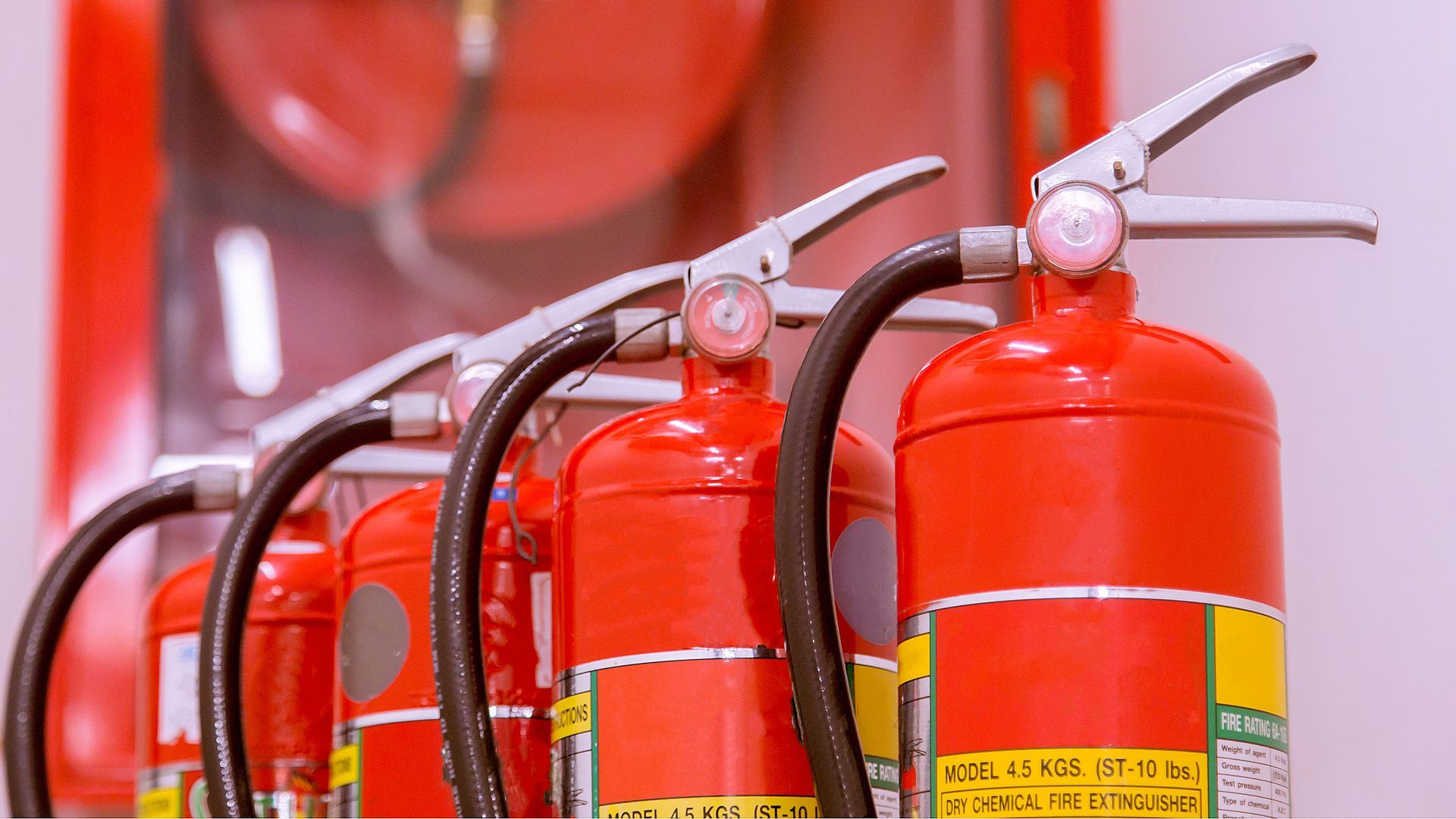
Water mist fire extinguishers, anti-freeze agents for sprinkler systems, and wet chemical suppressants for cooking fires are examples of advanced fire extinguishing methods. Water mist extinguishers use fine droplets to cool flames efficiently, while anti-freeze agents ensure systems function in cold weather. Chemical suppression methods tailored for specific fire types, including Class K fires, provide targeted responses. Innovative tools such as compact aerosol extinguishers, collapsible fire blankets, and foam extinguishers make fire suppression accessible and practical for residential use. Integrating these tools with professional fire alarms enhances overall protection.
11. Conduct Fire Drills Beyond the Basics
Customizing fire drills for multiple scenarios improves readiness by simulating real-life emergencies. Incorporating technology, such as virtual simulations and mobile tracking apps, allows participants to practice responses in realistic settings. Regularly reviewing and updating escape plans ensures they remain effective. Emphasizing psychological preparedness helps individuals stay calm and make logical decisions under stress. Encouraging participation and gathering feedback from drills fosters a culture of continuous improvement in fire safety. Rehearsing with actual fire alarms and ensuring all family members or staff understand the signals can improve response time and confidence.
Fire safety extends beyond routine checks and escape plans. By integrating innovative materials, advanced detection systems, strategic building practices, and modern suppression methods, individuals and organizations can create environments that are significantly safer. Tailored fire drills and ongoing property management complement these efforts, ensuring comprehensive readiness. At Madison Extinguisher Service and Safety, we focus on equipping clients with fire alarms and fire extinguishers that meet these high standards. By working with us, you can strengthen fire safety in your home or workplace and protect lives and property through proactive, informed measures.