October 16, 2026
Power outages and sudden crises require robust infrastructure to protect building occupants. Emergency lighting serves as a crucial component of any comprehensive safety plan, providing clear illumination when regular electrical power fails. Without proper lighting, safe evacuation becomes a dangerous challenge, amplifying potential hazards. Installing and maintaining these systems ensures people can locate exits during chaotic situations. Building owners must prioritize these visual features alongside other essential fire safety services. Proper planning and reliable equipment mean the difference between a secure exit and a dangerous trap during unexpected emergencies.
Understanding Lighting and Components
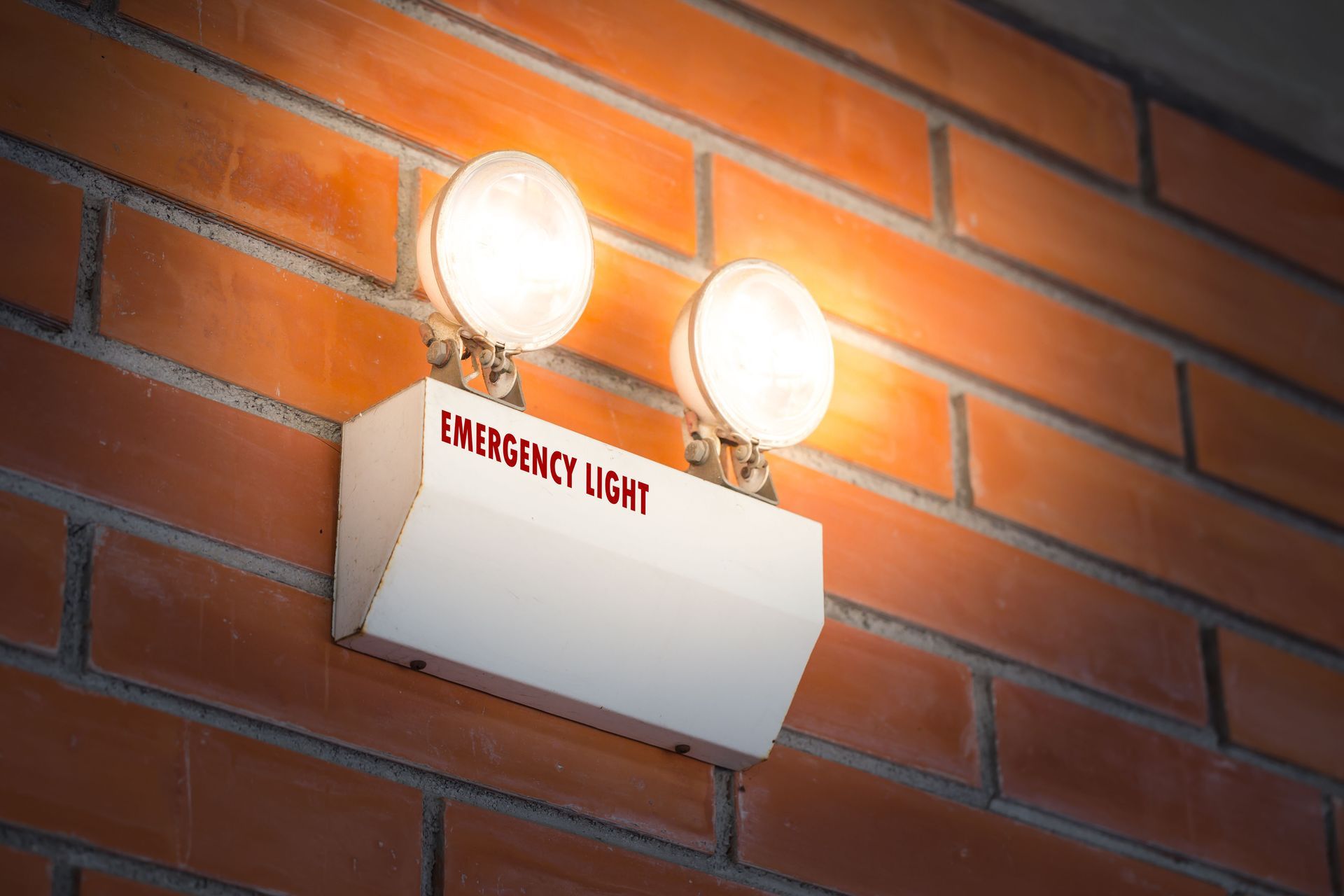
Emergency lighting forms the absolute backbone of a commercial building's safety infrastructure, illuminating escape paths during widespread power failures. Key functional components include backup batteries, visible exit signs, and targeted emergency signs and lighting fixtures. Together, these essential elements guide occupants through dark corridors and stairwells toward safety. Their vital role grows in importance as modern building layouts become complex. Facility managers must integrate these fixtures with robust fire safety services to guarantee complete structural coverage. Visibility remains the primary goal, allowing people to navigate enclosed spaces without injury.
System design varies based on property type and overall size, requiring customized solutions to address specific hazards. Maintained lighting systems stay lit, making them ideal for high-traffic locations needing constant illumination. Non-maintained setups remain dormant until a power failure triggers their immediate activation. Central battery systems power multiple units from a single location, which helps streamline regular maintenance tasks for engineers. Conversely, self-contained units operate on individual power sources for simplified installation. Selecting the right setup ensures reliable performance and complements the deployment of broader fire safety services.
Enhancing Visibility and Safety
Clear visibility prevents widespread panic and confusion when sudden emergencies plunge a building into darkness. Well-lit evacuation paths give occupants the necessary confidence to exit in a calm manner. During a raging blaze, every second counts, making reliable illumination critical for basic survival. According to the United States Fire Administration, occupants might have less than two minutes to exit a burning residence after the smoke alarm sounds. Clear paths provided by reliable emergency lights offer the guidance for such rapid responses. Ensuring ample lighting coverage minimizes the distinct risk of collisions.
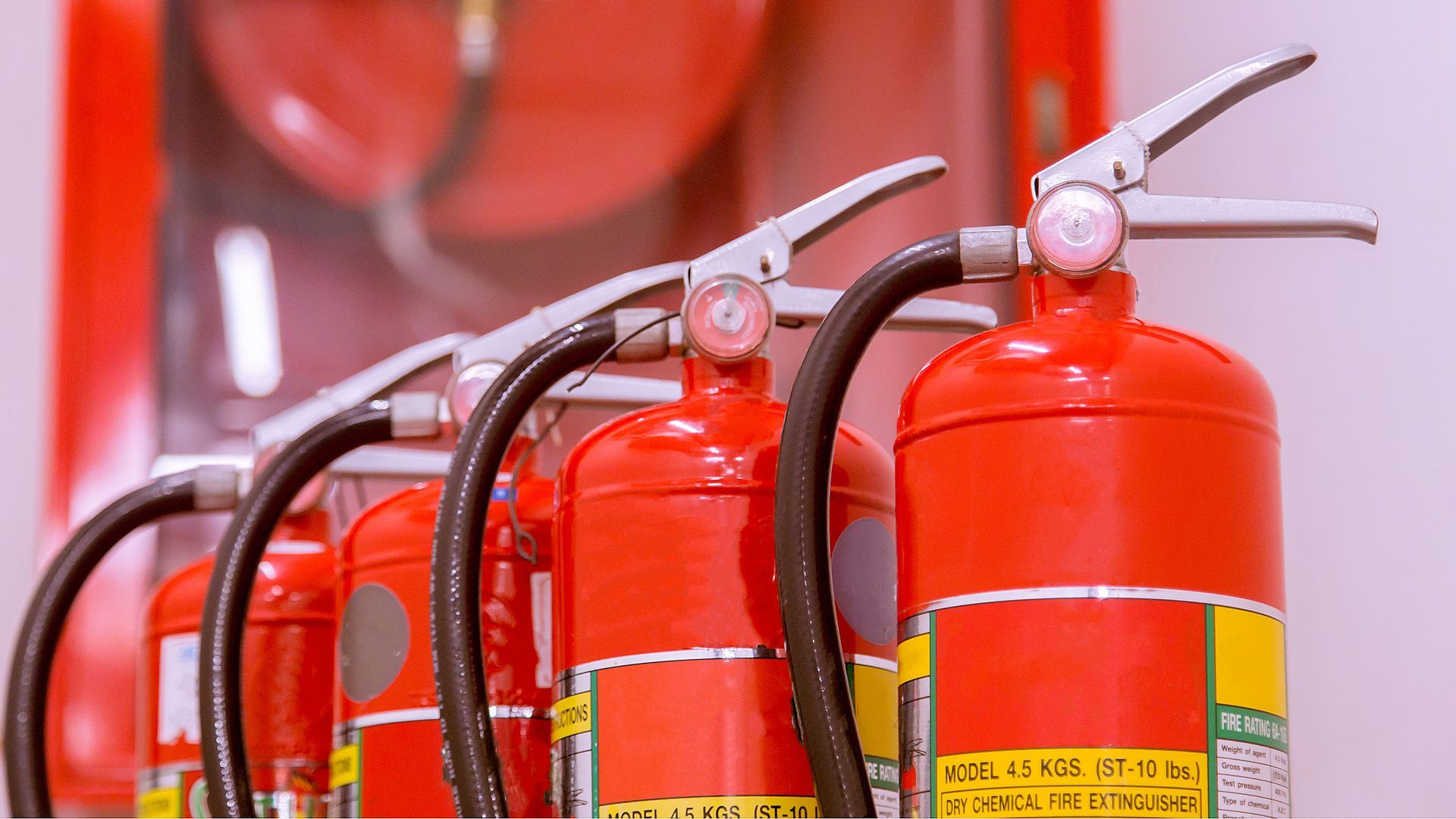
These specialized systems also serve as vital beacons for arriving rescue personnel and brave first responders. Illuminated entry and exit points expedite rescue operations by revealing complex building layouts through dense smoke. Speed remains crucial in life-threatening scenarios, and effective lighting reduces dangerous delays during search efforts. Well-placed lights highlight other protective equipment, such as heavy-duty fire extinguishers and critical fire alarm maintenance panels. Integrating brilliant illumination with regular fire safety services ensures rescue teams can locate essential tools without hesitation. The reliability of this visual infrastructure guarantees efficient emergency management.
Ensuring Evacuations and Routes
Dedicated emergency lighting remains central to establishing clear and secure evacuation routes throughout any large facility. These bright fixtures illuminate designated paths to prevent dangerous bottlenecks, facilitating an orderly flow of heavy foot traffic. In terrifying scenarios where thick smoke deteriorates visibility, quick visual guidance becomes indispensable. Strategic placement along steep stairs and narrow corridors prevents tripping hazards while maintaining a smooth departure. Clear directional cues reduce hesitation and doubt, providing psychological assurance that help is reachable. Building administrators rely on these routes to support their fire safety services.
Safe and efficient evacuations depend on the continuous testing and physical upkeep of all integrated safety elements. Routine operational checks guarantee that directional markers and pathway illuminations function during real crises. Hosting comprehensive fire safety classes helps familiarize building occupants with the established evacuation procedures and designated escape routes. This proactive preparation builds confidence, transforming theoretical safety knowledge into practical skills. Proper equipment testing includes regular fire alarm maintenance and checking backup batteries. Proactive evaluations assure long-term system reliability and contribute to seamless, organized departures during adverse conditions.
Supporting Preparedness and Responses
Comprehensive emergency preparedness encompasses multiple physical elements, including dependable overhead lighting and rapid suppression tools. Adequate illumination enhances organized human responses by improving overall visibility and clear communication among staff members. When coordinated with functional fire suppression systems, bright lights guide people through rehearsed protocols without causing panic. The physical presence of bright visual markers adds immediate clarity to verbal emergency instructions. Well-developed protective strategies incorporate these fixtures as an indispensable tool for preserving life. Facility directors should integrate lighting upgrades into their routine fire safety services to build a resilient framework.
Reliable building lighting boosts the overall efficacy of physical drills and practical preparedness training. Repeated safety exercises ensure that regular occupants understand system functions and recognize visual cues without delay. Cohesion in structural response efforts requires a seamless integration of lighting with active suppression systems. This powerful combination helps protect lives while mitigating extensive property damage during a chaotic blaze. A coordinated deployment allows focused command over specific zones, keeping the safest corridors lit and accessible. Systematic alignment transforms individual safety components into a highly effective network ready for any disaster.
Mitigating Risks and Liabilities
Effective risk mitigation always hinges on proactive preventive strategies, and bright illumination serves as a foundational physical effort. Consistent overhead lighting addresses immediate physical hazards, such as dangerous falls during sudden power losses. Providing a clear line of sight reduces tangible accident risks and limits potential legal liability for property managers. Lowering the overall chance of human injury aligns with improved health and safety standard compliance. These proactive measures guard against unforeseen scenarios. Incorporating these visual elements into dedicated fire safety services protects the entire commercial facility.
Insurance providers view well-maintained safety infrastructure as a critical determinant when evaluating commercial property risk. Comprehensive visual warning systems reflect committed management and a thorough understanding of localized operational hazards. Documenting regular upkeep, such as fire extinguisher recharging and scheduled AED maintenance, strengthens your overall liability profile. Demonstrating a strong commitment to accident prevention often leads to more favorable insurance evaluations and lower premiums. Preventative lighting measures help organizations avoid the arduous litigation processes associated with negligence claims. Investing in high-quality protective infrastructure proves cost-effective and lowers long-term operational liabilities.
Navigating Codes and Compliance
Strict building codes dictate the baseline standards for emergency lighting and overall commercial facility safety. These detailed regulations capture the essential elements required for system effectiveness, focusing on proper installation and routine operation. Codes identify specific illuminance levels, battery duration timelines, and spatial coverage as pivotal safety factors. Adhering to these documented instructions standardizes equipment performance and ensures universal protection for all building occupants. Non-compliance exposes innocent individuals and valuable physical assets to severe risks. Facility leaders must utilize proper fire safety services to maintain strict alignment with these national guidelines.
Navigating the complex regulatory landscape requires a keen understanding of both local and national safety mandates. While national frameworks establish broad protective requirements, municipal rules address distinct regional considerations and unique environmental factors. Routine auditing processes identify hidden system deficiencies and highlight specific areas needing immediate improvement. Professional, third-party inspections utilize structured checklists to evaluate lighting duration and internal electrical integrity. Maintaining accurate, up-to-date documentation satisfies the rigorous reviews conducted by authoritative safety organizations. Consistent audits fortify system readiness and augment the protective measures established by proactive building administrators.
Emergency lighting stands as an uncompromisable pillar of modern building safety and comprehensive disaster preparedness. These critical systems do much more than brighten dark hallways; they offer crucial, life-saving guidance when mere seconds matter most. Implementing thorough, routine maintenance schedules ensures these fixtures perform as intended during real-world crises. Property managers bear the heavy responsibility of safeguarding their occupants by prioritizing high-quality illumination and comprehensive emergency training. A well-lit facility minimizes widespread panic, expedites professional rescue operations, and reduces the potential for injuries. If you are ready to enhance your building's preparedness, we invite you to contact us at Madison Extinguisher Service and Safety.